
Capture difficult assets. Safer and faster.
MESR gives teams a clear view of bridges, drainage channels and waterways, without the delays and risks that come with difficult access.
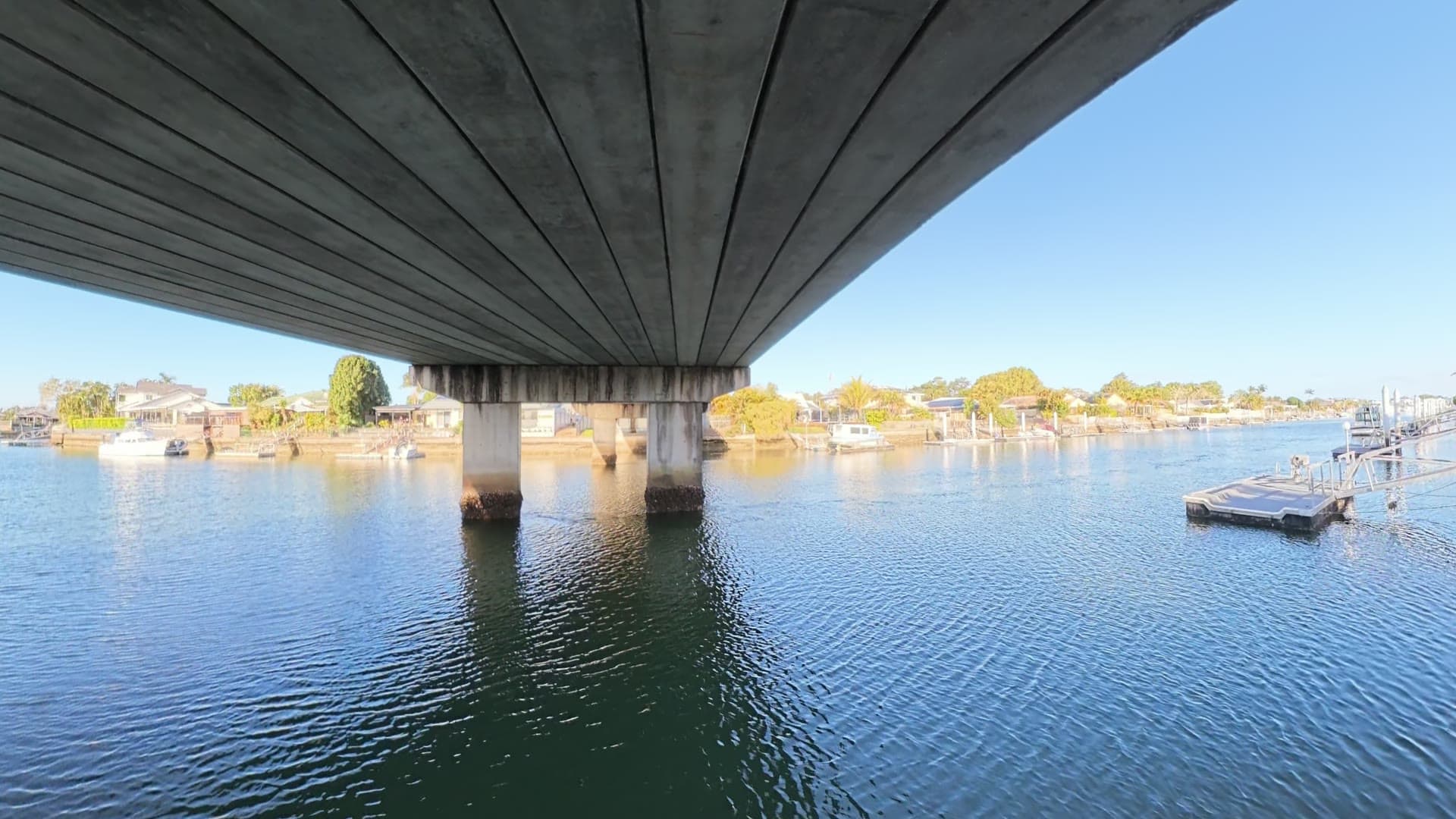
Field access
The hard part is getting there.
For one bridge route, MESR reduced capture from 40 minutes to five: eight times the capture speed and 35 minutes back for the field team.
8×
faster bridge capture
In the same 40 minutes
Traditional
1 capture
MESR
8 captures
Assisted review
Find the parts that matter.
MESR uses AI to surface candidate visible conditions. The review screen keeps the footage, location, model output and decision controls together. An engineer accepts, rejects or corrects each candidate.
The deliverable
A clear result from every inspection.
Customers receive a review-ready record, not a folder of loose footage. Every reviewed observation stays connected to the evidence used to assess it.
- What was captured
- The original 360 footage and the route used to capture it.
- What needs attention
- The visible observations that remain after human review.
- Where it is
- The asset, component, location and exact source frame.
- What was decided
- The accepted, rejected or corrected review decision.
Asset coverage
Built for difficult infrastructure.
MESR is designed for civil assets where height, water, confined approaches or rough ground make repeatable visual capture difficult.
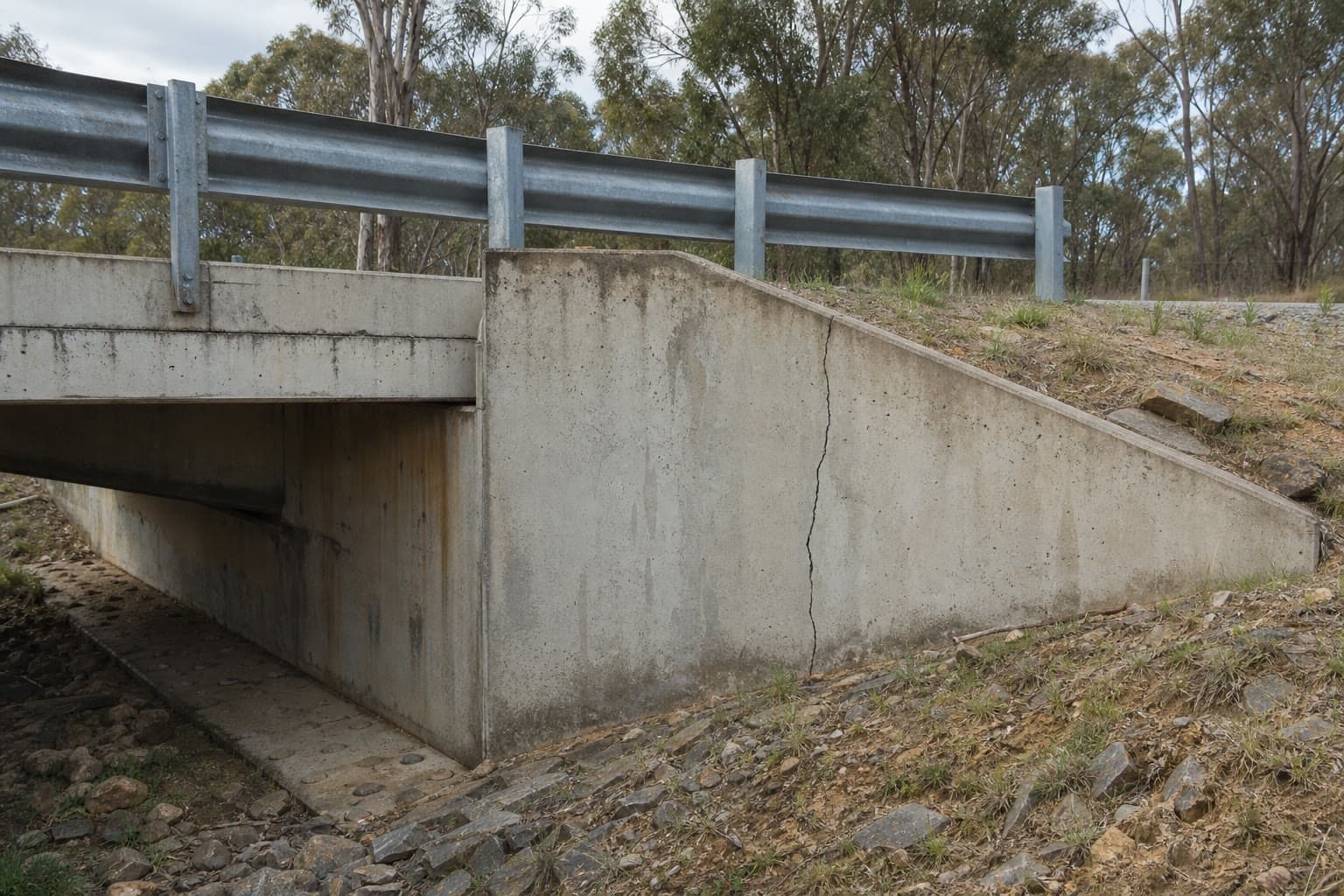
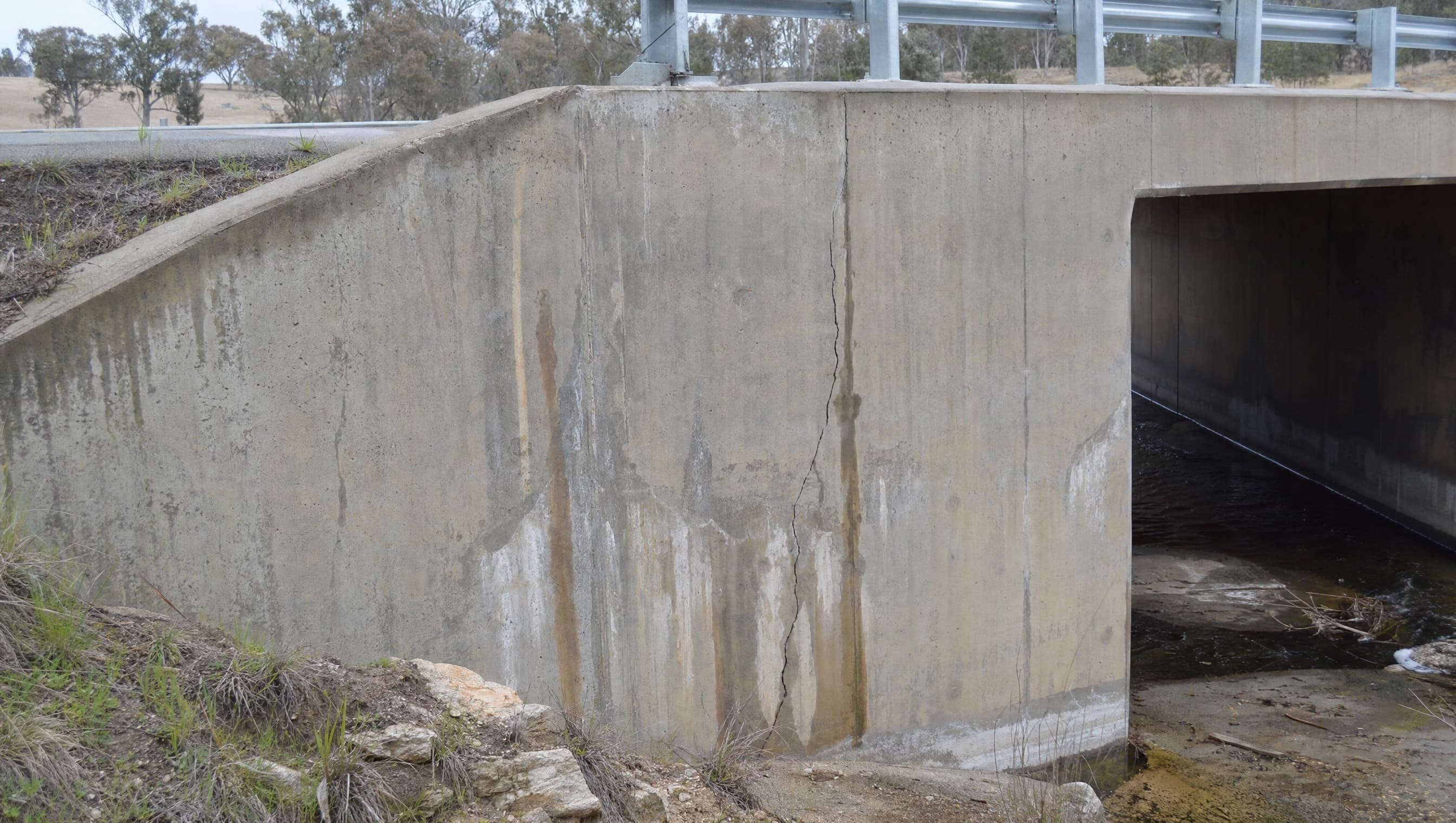
Bridges
Decks, piers, abutments and hard-to-reach areas below the structure.
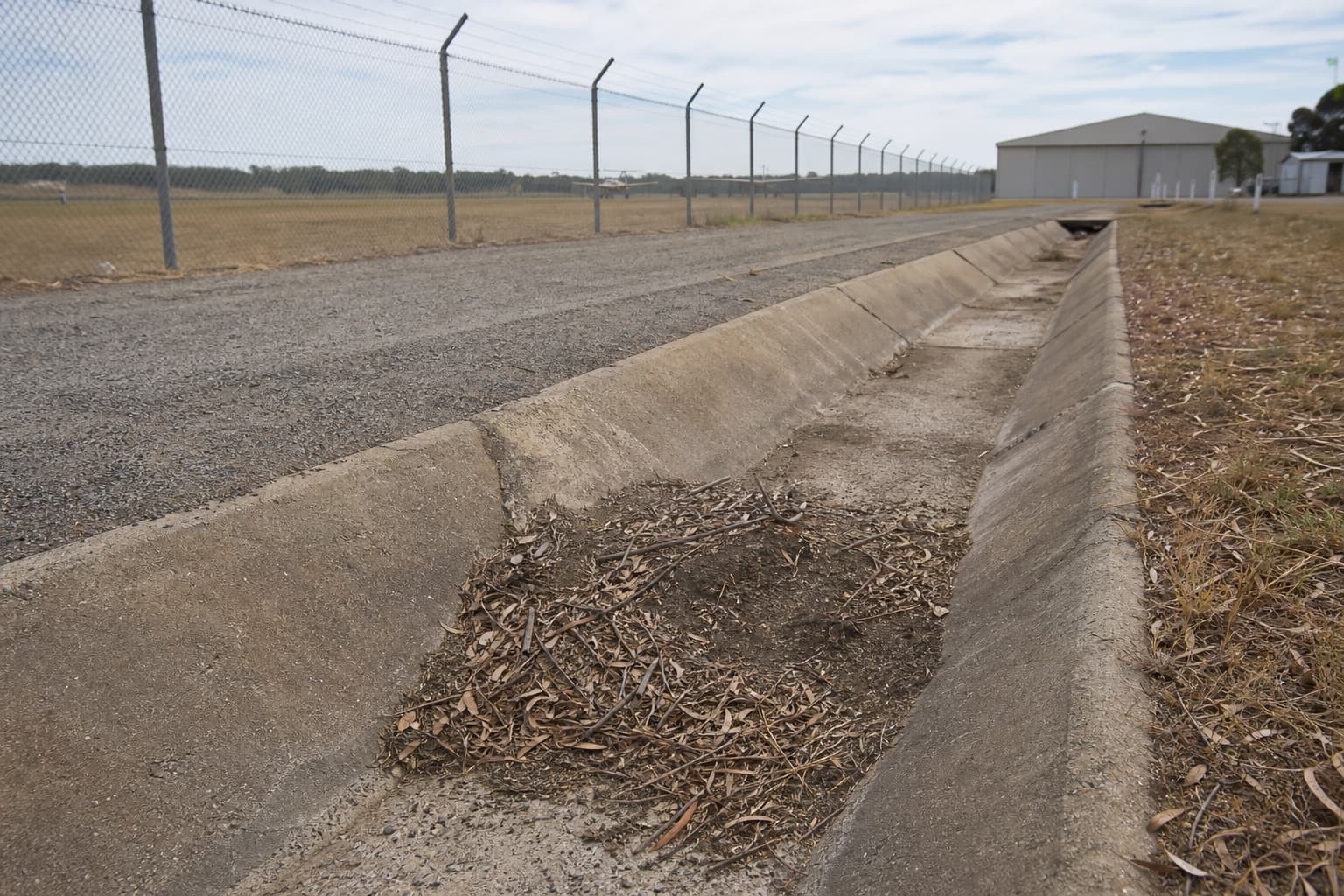
Drainage channels
Open drains, culverts, headwalls and channels with difficult access.
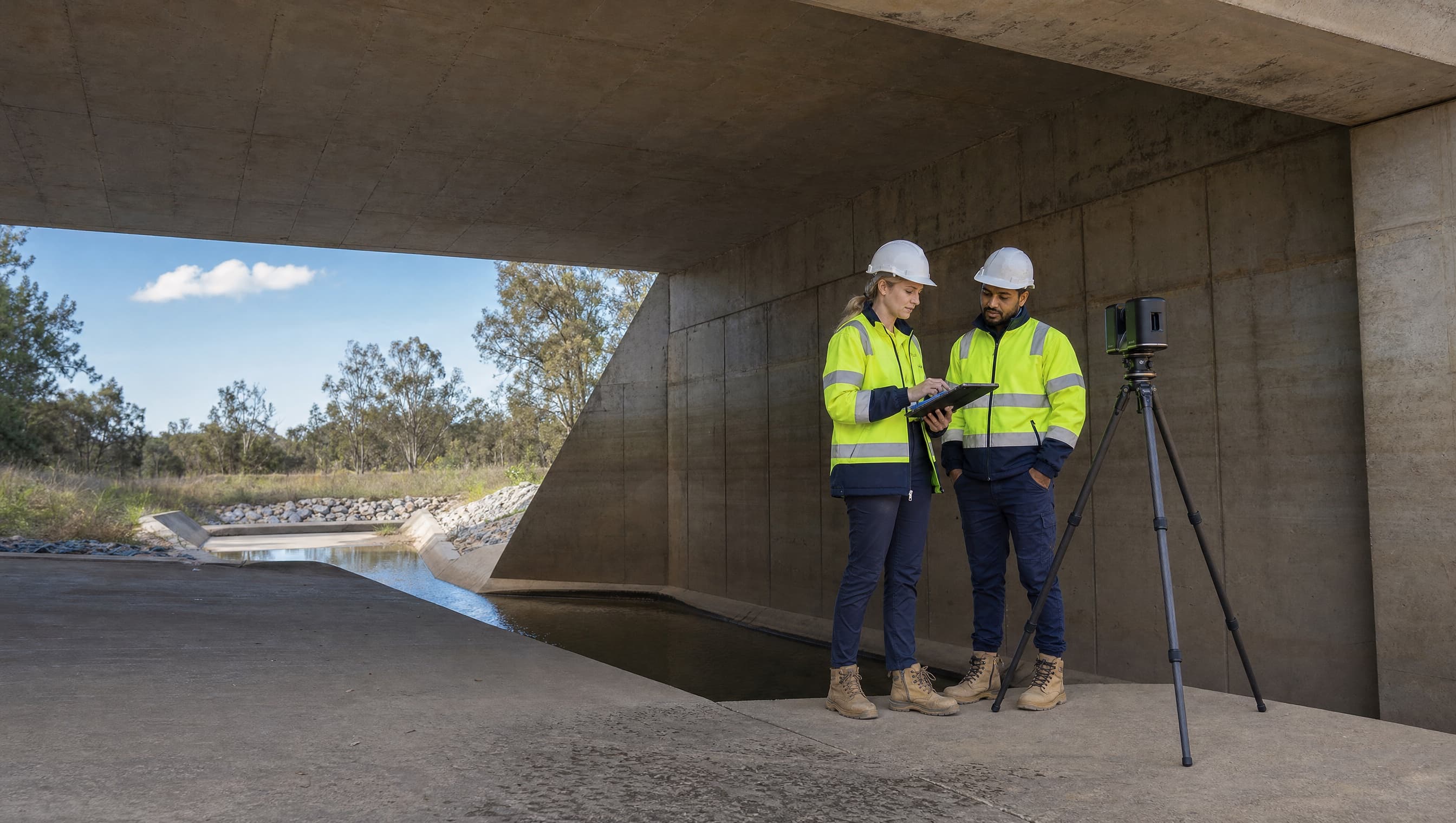
Waterways
Causeways, outlets, embankments and structures along the waterline.
Queensland scale
Why better access matters.
Better access does not stop deterioration. It gives asset teams more usable evidence, sooner, across a very large network.
$148b
of infrastructure assets managed by Queensland councils at 30 June 2025, including roads, bridges and water assets.
3,260
bridges owned and maintained by Queensland Transport and Main Roads in 2024–25.
$5.8b
spent by Queensland councils on maintaining existing assets and building new ones in 2024–25.
Implementation
Works with your existing process.
MESR delivers usable records before it asks you to change systems. Microsoft Entra sign-in, reviewed CSV handoff, printable reports and Excel record exports are supported today.
- 01
Start with one asset
MESR scopes the camera, operator, route and review owner before capture.
- 02
Keep human control
The responsible reviewer accepts, rejects or corrects every candidate observation.
- 03
Move the result
Download a reviewed CSV, print the handoff report or export inspection records to Excel.
Start with one difficult asset. See the full result.
Start with one asset, one authorized operator, one engineer and one agreed output. MESR will scope the capture, review and evidence handoff with your team.